Autograph Cards vs Memorabilia Cards: What Football Collectors Need to Know
For football card collectors, the hobby offers more than just the thrill of pulling a rare base card or a limited parallel. Two categories that often draw interest are autograph cards and memorabilia cards. While they share the same general space in a pack or repack, they represent very different things. Understanding the distinction helps you make informed choices, whether you are buying singles, trading, or opening packs on a live stream.
Autograph cards feature a player's signature, usually applied directly to the card stock. Memorabilia cards, by contrast, contain a piece of physical material tied to the player or the game. That material could be a swatch of jersey, a piece of boot, or even a section of match-worn shirt. Both types carry a premium over standard cards, but the value drivers are not the same.
What Makes an Autograph Card Valuable
An autograph card is essentially a signed trading card. The signature may be hand-signed by the player and then inserted into packs, or it may be a printed facsimile. Hand-signed examples are the ones collectors seek. The value of an autograph card depends on several factors. The player's popularity and career stage matter a great deal. A signed card from a current star or a club legend usually commands higher prices. The condition of the card and the clarity of the signature also play a role. A bold, clean signature on a well-centered card is more desirable than a smudged or off-center one.
Provenance is another key factor. If the card comes from a reputable manufacturer and is part of a known set, collectors have more confidence that the signature is genuine. Some autograph cards include a certificate of authenticity or a serial number on the reverse. That serial number can be checked against a database, adding a layer of trust. For collectors who value the personal connection to a player, an autograph card feels like a direct link. You own something the player has touched and signed.
What Memorabilia Cards Bring to the Table
Memorabilia cards take a different approach. Instead of a signature, they embed a piece of an item that the player or the league used. Common types include jersey relics, match-worn fabric, or even pieces of a training kit. The appeal here is owning a fragment of a real game or a real piece of equipment. For football fans, a swatch of a shirt worn during a specific match can be more evocative than a signature on cardboard.
The value of a memorabilia card often hinges on the nature of the relic. Match-worn items, where the piece comes from an item actually used in a game, tend to be more sought after than player-worn items from a photo shoot or a training session. The distinction matters. A card with a piece of match-worn jersey from a cup final has a different story than one with a piece of a shirt worn during a pre-season friendly. Collectors should check the packaging or the manufacturer's description to see whether the relic is match-worn or simply player-worn.

Comparing the Two: Which One Fits Your Collection?
Deciding between autograph cards and memorabilia cards comes down to what you value most in your collection. If you are drawn to the personal connection and the idea of owning a player's signature, autograph cards are the natural choice. They are also easier to store and display, as they fit in standard card sleeves and top loaders. You can flip through a binder of autograph cards without worrying about a loose piece of fabric falling out.
Memorabilia cards, on the other hand, offer a tactile experience. The embedded relic gives the card a different weight and feel. Some collectors enjoy the fact that each card contains a unique piece of material. No two relics are exactly identical, even if they come from the same shirt. That individuality can be a strong selling point for those who like owning something truly one-of-a-kind. However, memorabilia cards can be bulkier and may require special storage to protect the relic from damage or dirt.
Another consideration is authentication. Autograph cards rely heavily on the manufacturer's reputation and the presence of a serial number or hologram. Memorabilia cards also need clear provenance, but the authentication process is slightly different. The manufacturer should state whether the relic is match-worn, player-worn, or simply a piece of generic material. Without that information, the card's value becomes harder to judge.
Practical Factors: Condition and Grading
Condition affects both types, but in different ways. For autograph cards, the condition of the card surface and the signature itself are critical. A scratch across the signature can significantly reduce the card's appeal. Card grading services will assess the centering, corners, edges, and surface of the card, and they will also evaluate the signature. A high grade on an autograph card can boost its value considerably.
For memorabilia cards, grading is more complex. The relic itself can be damaged or discolored over time. A jersey relic that has faded or become frayed may lose some of its visual impact. The card's condition still matters, but the relic's condition is an added variable. Some collectors prefer to keep memorabilia cards in a thick screw-down holder rather than a standard sleeve, to prevent the relic from being bent or crushed.
How to Decide When Buying or Trading
If you are new to collecting, start with autograph cards. They are more straightforward to evaluate and trade. You can compare prices based on the player, the set, and the grade. Many collectors build their confidence with signed cards before moving into memorabilia.
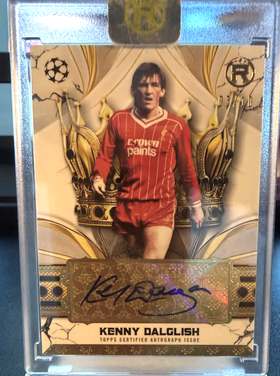
When you do consider memorabilia cards, pay close attention to the description. Look for the words "match-worn" or "game-used" and check whether the manufacturer is known for reliable sourcing. The phrase "examples of major card pulls" is often used in online communities to describe the kind of exciting hit that comes out of a pack or repack. For autograph cards, those major pulls might be a rare signed card of a top player. For memorabilia cards, it could be a relic from a historic match. Both types can be highlights of a collection, but they appeal to different sensibilities.
Another practical tip: consider the player's legacy. A memorabilia card from a player who had a long, storied career may hold its value better than one from a player who had a brief moment in the spotlight. Similarly, an autograph card from a player who is still active may rise or fall depending on their future achievements. This is where personal taste intersects with market trends.
Some collectors enjoy mixing both types in their collection. They might display autograph cards in a binder and keep memorabilia cards in a separate case. Others focus solely on one category because they prefer the consistency. There is no right or wrong answer. The key is to understand what each type represents and to buy or trade accordingly.
When browsing packs or repacks, keep an eye out for both. The phrase "examples of major card pulls" appears again here because it captures the excitement that both categories can generate. Whether you pull a signed card of your club's captain or a relic from a cup-winning shirt, the thrill is real. The difference is in what you take away from it: the personal touch of a signature or the tangible history of a relic.
Storage and Display Considerations
Autograph cards fit into standard card storage. Penny sleeves and top loaders work well. If you have a card with a thick signature that stands slightly raised, be careful not to stack heavy items on top of it, as the signature could be flattened or smeared. Some collectors use semi-rigid sleeves for added protection.
Memorabilia cards often come in thicker stock because of the embedded relic. Standard sleeves may not fit, or they may put pressure on the relic. Look for sleeves designed for thicker cards, or use a one-touch magnetic holder. Avoid bending the card, as the relic may crack or separate from the card layer. Display cases with individual slots work well for showing off the relic while protecting it.
Final Pointers for Your Collection
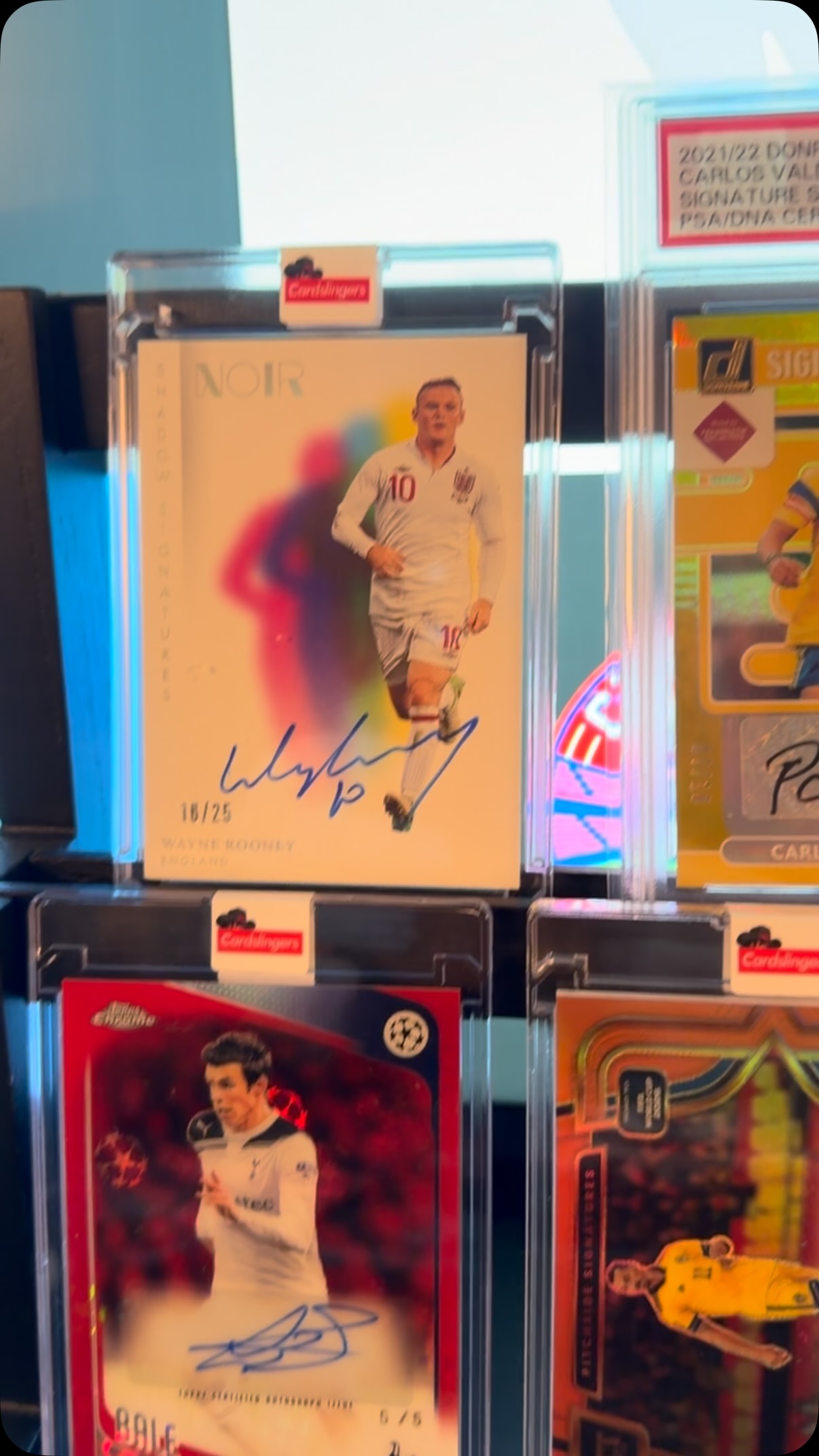
Whether you lean toward autograph cards or memorabilia cards, do your research. Check recent sales of similar items to get a sense of fair pricing. Join online forums or follow live streams where collectors share their pulls. Seeing what others have found can help you spot good deals and avoid overpaying.
Remember that condition, provenance, and player significance are the three pillars of value for both types. A card that lacks any of these will struggle to hold its worth over time. A card that excels in all three can become a centrepiece of your collection.
Ultimately, the choice between autograph and memorabilia cards is a personal one. Some collectors love the idea of owning a piece of a shirt worn during a famous match. Others prefer the clean, direct connection of a signature. Both paths offer rich opportunities for building a meaningful collection. By understanding the differences, you can make smarter decisions and enjoy the journey more fully.